Logotherapy
Logotherapy is based on the belief that life holds meaning in every circumstance and that we retain the freedom to choose our response. It supports clients in moving beyond symptom relief toward a deeper sense of purpose, resilience, and hope. Hilary employs this approach to help clients explore life’s most fundamental and challenging questions:
Where and how does life hold meaning, especially during times of pain and loss?
Logotherapy affirms that meaning is always discoverable, even in suffering, and that each moment carries a unique purpose waiting to be uncovered.
What am I free to choose when circumstances feel out of my control?
While we cannot always change our life circumstances, we can choose our attitude and response to them, with an intention to reclaim inner freedom, responsibility, and dignity.What motivates me at the deepest level? While other therapeutic approaches of its time focus on pleasure or power as primary sources of human motivation, logotherapy centers on the human drive toward meaning—helping to clarify values, purpose, and direction in life.
How can I live meaningfully through my actions and work? According to Frankl, meaning can be found through creative values—by contributing, creating, serving, or engaging in purposeful work and responsibility.
How do love, connection, and experience shape a meaningful life?
Through experiential values, clients explore meaning found in relationships, love, beauty, nature, and deeply felt moments of connection.How can I face unavoidable suffering with integrity and hope?
When pain cannot be removed, logotherapy helps clients discover meaning through attitudinal values—choosing courage, compassion, faith, and purpose in the midst of hardship.
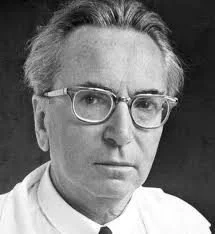
About Viktor Frankl
Viktor Frankl was an Austrian psychiatrist, neurologist, and Holocaust survivor who founded logotherapy, a meaning-centered approach to psychotherapy. During the three years he endured in four different Nazi concentration camps, Frankl observed that those who were able to find meaning in the extreme suffering of the camps were more likely to survive.
Frankl taught that while we can’t always control our circumstances, we always retain the freedom to choose our attitude and response to suffering. He believed that our primary human motivation is the search for meaning, and that a sense of purpose can be found in namely three ways: through meaningful work, loving relationships, and our spiritual and emotional orientation during unavoidable suffering.
His work continues to influence psychotherapy, medicine, spirituality, and trauma recovery worldwide.
Resources
Core Works by Viktor Frankl
The Unheard Cry for Meaning
Addresses existential frustration, emptiness, and the psychological cost of meaninglessness
Man’s Search for Ultimate Meaning
Expands on meaning, spirituality, and transcendence beyond earlier works
Yes to Life: In Spite of Everything
Based on post-war lectures affirming hope and meaning in the aftermath of suffering
The Feeling of Meaninglessness
Examines existential emptiness and the modern crisis of meaning
Books About Frankl and Logotherapy
Understanding ‘Man’s Search for Meaning’: Reflections on Viktor Frankl’s Logotherapy by Elisabeth Lukas
A reflective companion text summarizing key logotherapy ideas
The Life Changing Impact of Viktor Frankl’s Logotherapy by Teria Shantall
Takes readers through the process as if they were clients, using case studies and exercises to make it accessible to the lay person
Logotherapy: Viktor Frankl, Life and Work by Neil A. Soggie
A comprehensive overview of Frankl’s life, thought, and the development of logotherapy
Prisoners of Our Thoughts by Alex Pattakos & Elaine Dundo
Includes practical applications and stories expanding on meaning-centered ideas
When Life Calls Out to Us: The Love and Lifework of Viktor and Elly Frankl by Haddon Klingberg, Jr.
The only authorized biography of Victor Frankl, this is an intimate chronicle of his life and work